
07
Jul
If you’re searching for getting pregnant with herpes pictures information connected with to the getting pregnant with herpes keyword, you have pay a visit to the ideal blog. Our website always provides you with suggestions for seeking the maximum quality video and image content, please kindly hunt and locate more enlightening video content and images that match your interests.
Getting Pregnant With Herpes. It might however decrease the chances of conceiving because couples are discouraged to conceive during active outbreaks which in turn can narrow the fertility window. Neonatal herpes is most likely to occur during birth and is more common with a vaginal delivery but can also happen during a c-section. If you experience your first outbreak late in pregnancy get a Western blot serology if at all possible. Its women who get herpes late in their pregnancies who are.
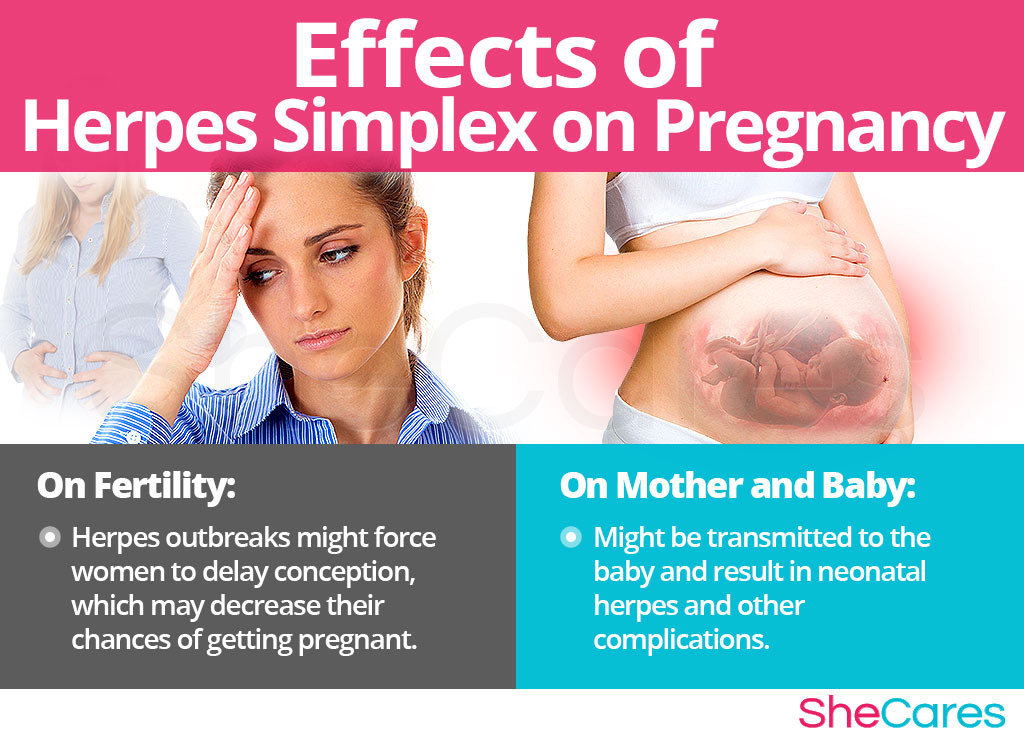
At this time your healthcare provider will usually do an exam to look for specific signs of an outbreak just to be sure. If you are pregnant and you have genital herpes you may be concerned about the risk of spreading the herpes infection to your baby. Genital herpes and early pregnancy first and second trimester. The risk of infecting the baby is high 30 to 50 when a woman is newly infected late in pregnancy however. The exposures you describe do not support the possibility that this is genital herpes. If it is it can lead to damage to the nervous system and even death.
Fortunately herpes is rarely transmitted to a baby during pregnancy since most newborns with HSV get it when they pass through an infected birth canal. Women who suffer recurrent herpes outbreaks while pregnant at or beyond week 36 of pregnancy usually also receive oral antivirals. If it is it can lead to damage to the nervous system and even death. The following steps can help make the risk even smaller. But if a woman had genital herpes before getting pregnant or if she is first infected early in pregnancy the chance that her baby will be infected is very low – less than 1. Talk to your doctor about taking antiviral tablets if you need to prevent outbreaks when you want to conceive.
Previous post
Getting rid of groundhogsNext post
Getting pregnant after mirena removal