10
Nov
If you’re looking for right to work states list images information connected with to the right to work states list topic, you have come to the ideal blog. Our site always provides you with suggestions for downloading the highest quality video and picture content, please kindly surf and locate more informative video articles and images that match your interests.
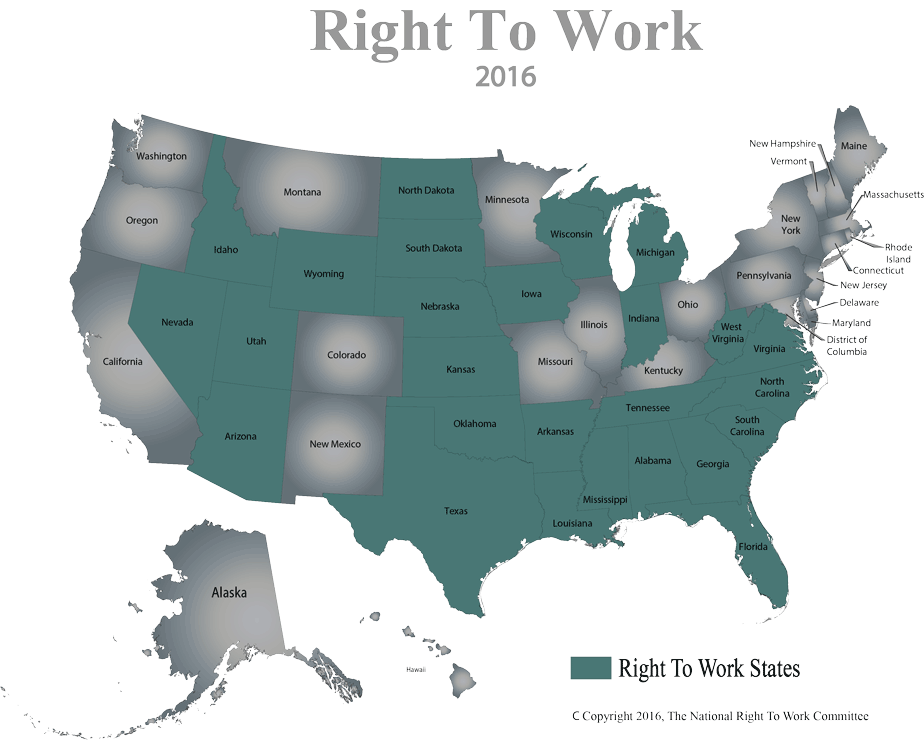
Right To Work States List. In 2015 NERA Economic Consulting published a report that sought to distill that large body of research and present data about economic performance in both right-to-work and non-right-to-work states. The 28 states having Right-to-Work laws include Arizona Alabama Arkansas Florida Idaho Georgia Indiana Kansas Iowa Kentucky Michigan Louisiana Mississippi Nebraska Missouri Nevada North Dakota North Carolina Oklahoma South Dakota South Carolina Tennessee Utah Virginia Texas Wisconsin and Wyoming. Alabama Arizona Arkansas Florida Georgia Idaho Indiana Iowa Kansas Kentucky Louisiana Michigan Mississippi Missouri effective August 28 th 2017 Nebraska Nevada North Carolina North Dakota Oklahoma South Carolina South Dakota Tennessee Texas Utah Virginia West Virginia not currently in effect due to pending litigation Wisconsin and Wyoming. Using the average wage in non-RTW states as the base 2211 the average full-time full-year worker in an RTW state makes.

The other states with right-to- work laws or constitutional amendments include Alabama Arizona Arkansas Florida Georgia Idaho Indiana Iowa Kansas Louisiana Michigan Mississippi Nebraska Nevada North Carolina North Dakota Oklahoma South Carolina South Dakota Tennessee Texas Utah Virginia and Wyoming. However in 2016 the Sixth Circuit Court of Appeals upheld the right of municipal governments to enact local right-to-work laws in Kentucky Michigan Ohio and Tennessee. Currently 27 states and Guam have given workers a choice when it comes to union membership. The 27 states which have passed Right to Work laws are. Wages in right-to-work states are 32 percent lower than those in non-RTW states after controlling for a full complement of individual demographic and socioeconomic variables as well as state macroeconomic indicators. This variable assesses whether or not a state allows employees to be forced to pay union dues as a condition of employment.
What is the Basic Principle Practice by Right to Work States. Within these states trade unions are specifically barred from entering into an agreement with employers such that new hires would have to join their union or pay union dues as a condition of employment. Wages in right-to-work states are 32 percent lower than those in non-RTW states after controlling for a full complement of individual demographic and socioeconomic variables as well as state macroeconomic indicators. For a timeline of when state Right to Work laws were originally adopted click here Alabama Arizona Arkansas Florida Georgia Guam Idaho Indiana Iowa Kansas Kentucky Louisiana Michigan Private Public Mississippi Nebraska Nevada North Carolina North Dakota Oklahoma South Carolina South Dakota Tennessee Texas Utah Virginia West Virginia Wisconsin Wyoming. What is the Basic Principle Practice by Right to Work States. In forty-nine states Montana is the exception an employer has the legal right to fire an employee without cause making them fire at-will states An employee who thinks his job is secure could be called into the bosss office and told We dont need your services anymore with no recourse.
Previous post
Ring on a stringNext post
Right ring finger meaning