13
May
If you’re searching for weeping willow tree information pictures information related to the weeping willow tree information keyword, you have come to the ideal blog. Our site always provides you with suggestions for seeking the maximum quality video and image content, please kindly surf and locate more enlightening video articles and graphics that match your interests.
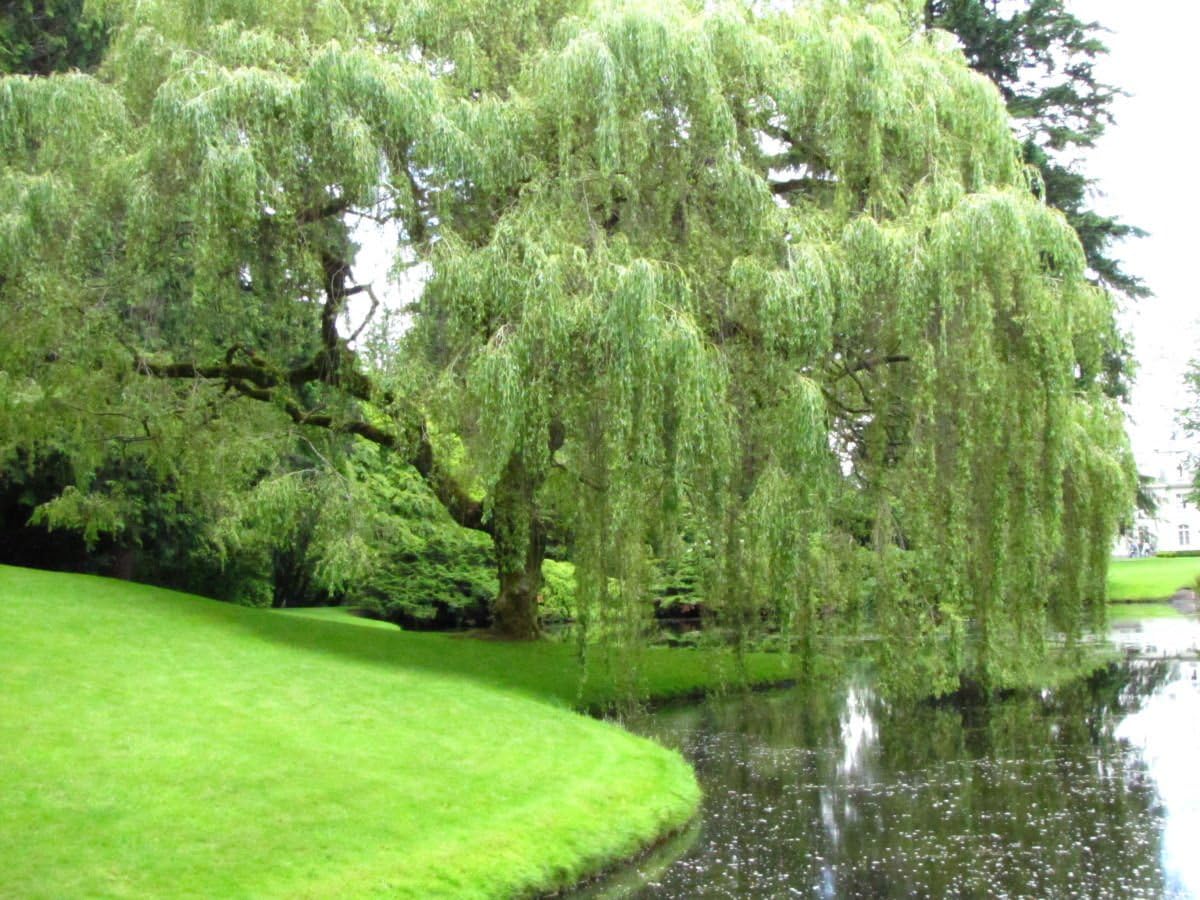
Weeping Willow Tree Information. Many consider weeping trees romantic additions to their garden. The weeping willow Salix babylonica is probably the best known of the weeping trees with gracefully arching stems that dangle delicately and shiver in the breeze. Featuring silvery green foliage in summer and turning yellow in the fall these are fast growing large trees useful for screening or as a focal point in the garden. Color of the leaves changes seasonally.

In spring and summer it bears narrow lanceolate finely-toothed light green leaves above grayish-green beneath. Willows have extremely strong and well developed roots which are often larger than the stem. That is how weeping willow got its name. The weeping willow is one of the first trees to bear leaves in the spring and the last one to lose the foliage in the fall. The weeping willow Salix babylonica is probably the best known of the weeping trees with gracefully arching stems that dangle delicately and shiver in the breeze. Basic Specs on the Weeping Willow Tree.
Willow trees can have great height differences. These distinctive trees were subsequently introduced into England from Aleppo in northern Syria in 1730 and have rapidly become naturalised growing well along rivers and in parks. Willow trees have elongated leaves that are green on the upper side and whitish on the bottom side. Many consider weeping trees romantic additions to their garden. The weeping willow has always teased the imagination of the man who was able to create an aura of magic and mystery around it inventing dozens of legends and fables that made it into a tree linked to the fairytale world mythology and even Christian mysticism. Being one of the fastest growing shade trees weeping willows can grow as tall as 10 feet in a year.
Previous post
Weeping willow tree meaningNext post
Weeping willow tree facts